
Micro:Bit 1 Pack
$19.99



Introducing our Classroom Spiker:bit!
Bring your classroom projects to life with real electrical signals from the human body! The Spiker:bit uses muscle activity, heartbeat, or brain waves as control signals, enabling your students to integrate bio-signals into their creative i
Spiker:bit is a micro:bit EMG sensor and micro:bit muscle sensor board for students who want to turn biological signals into code, motion, games, and robotics. Connect surface electrodes, read muscle activity as a micro:bit input, and use Microsoft MakeCode to control servos, lights, motors, robot hands, and classroom neuroengineering inventions.
Use Spiker:bit when the goal is an EMG muscle sensor kit that moves quickly from physiology to making: flex a forearm muscle, set a threshold in MakeCode, and trigger a servo or micro:bit project that responds to the body in real time.
Robot hands, web flingers, grabbers, buzzers, and classroom servo demos.
Spiker:bit turns EMG muscle activity into micro:bit MakeCode inputs for threshold-based servo control.
Body-controlled motors, reaction games, wearable triggers, and invention prototypes.
The board pairs real biological signals with the micro:bit ecosystem students already use for coding and robotics.
Hands-on lessons connecting neurons, muscles, sensors, code, and machine behavior.
Students can see EMG signal strength become a number, then use that number to make a physical system respond.
Muscle games, lights, alarms, accessibility prototypes, and science fair builds.
MakeCode blocks keep first projects approachable while JavaScript and Python pathways support deeper work.
If the main goal is to record and study EMG physiology waveforms, use the Human SpikerBox. Spiker:bit is built for micro:bit control, MakeCode, servos, games, robotics, and classroom invention.
Still using the retired Arduino Muscle SpikerShield? The original Arduino code and schematics are preserved in our archive. For new classroom EMG, servo, robotics, and MakeCode projects, use Spiker:bit with BBC micro:bit.
Yes. Spiker:bit is a micro:bit expansion board that lets students use surface electrodes to record EMG muscle activity and turn that signal into micro:bit inputs for MakeCode projects.
Students can use muscle activity to trigger servos, lights, games, robotics, web-flinger builds, neuroprosthetic hand demos, and other threshold-based microcontroller projects.
No. Spiker:bit is built for BBC micro:bit and Microsoft MakeCode, including block-based coding, JavaScript, and Python pathways.
Yes. Spiker:bit works with Microsoft MakeCode for micro:bit, including block-based coding, JavaScript, and Python pathways.
No. Spiker:bit is for education, classroom demonstrations, and maker projects. It is not for diagnosis, treatment, or medical monitoring.
Spiker:bit turns EMG, EOG, and EKG biological signals into micro:bit inputs students can use in MakeCode projects. Start with a threshold-controlled servo, then move into games, robotics, classroom demos, and wearable inventions that respond to real physiology.
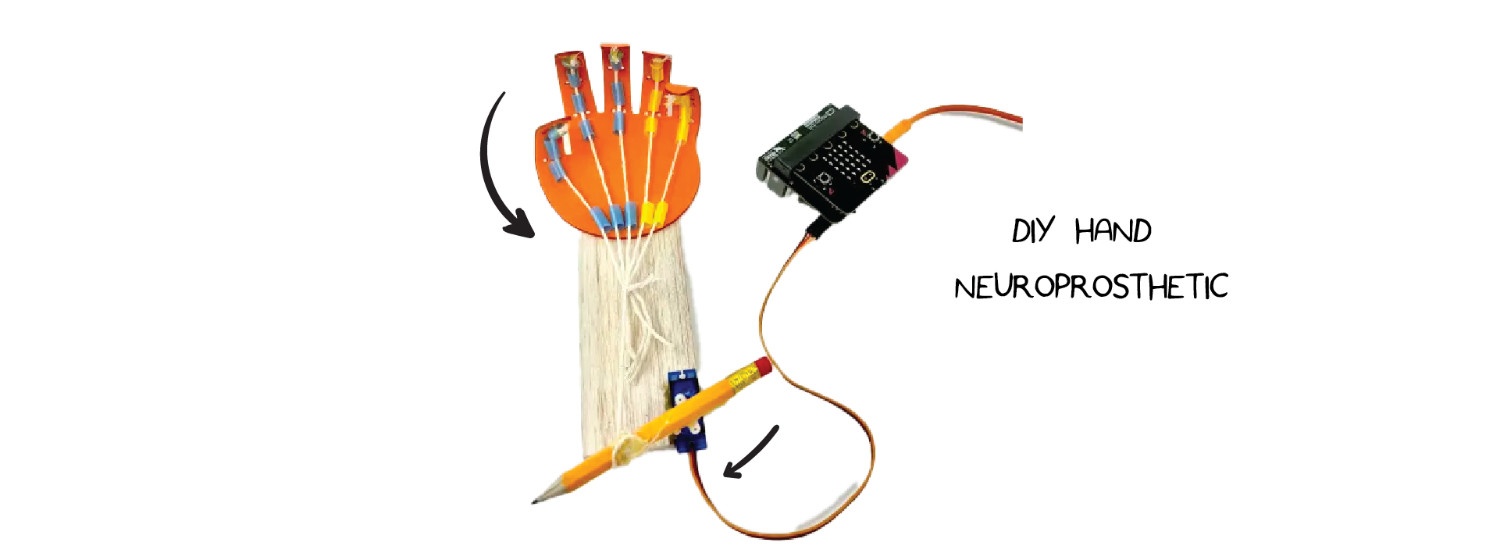

Build a servo-powered prosthetic hand that closes when forearm EMG crosses a threshold, then tune sensitivity and timing like a real neuroengineering control system.
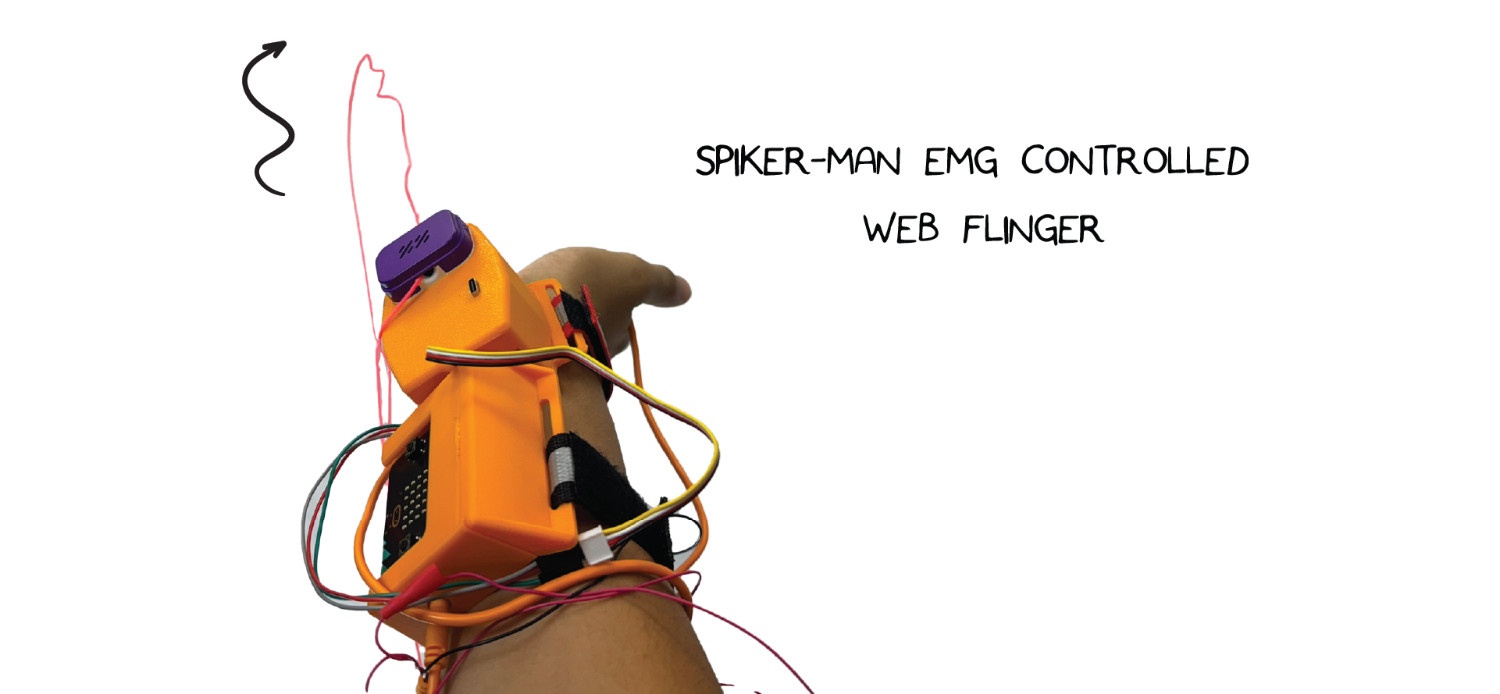
Turn forearm EMG into a wearable servo trigger, connecting muscle recruitment, threshold code, and a dramatic MakeCode-controlled web launcher.
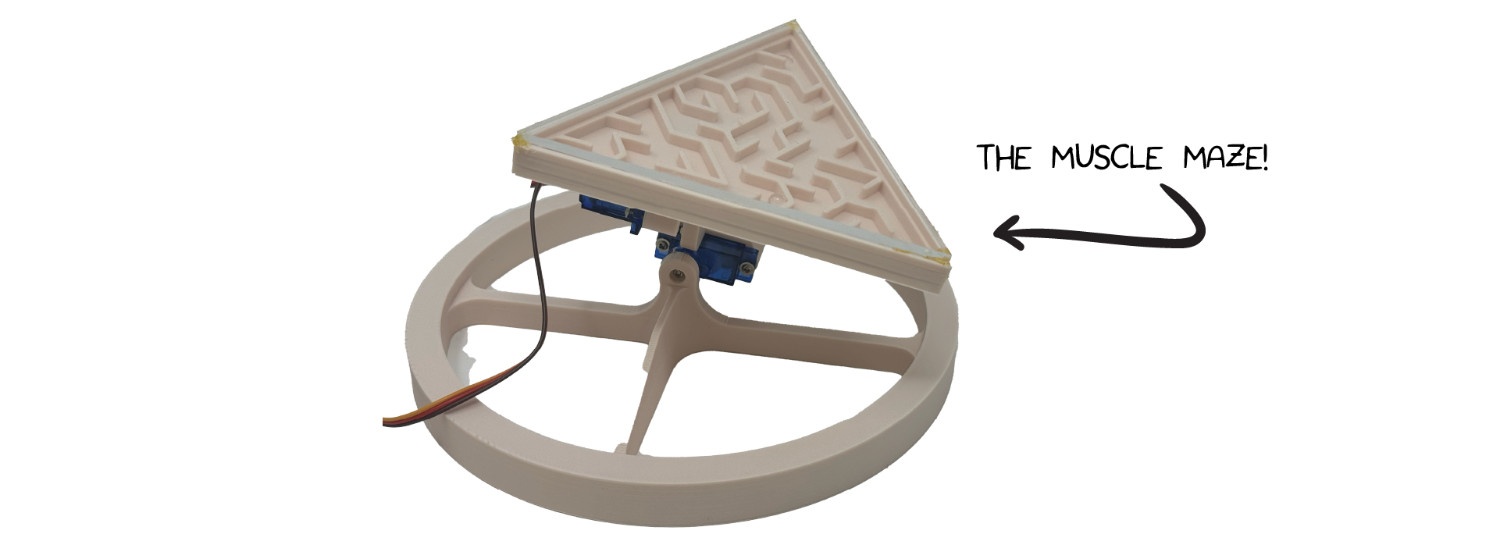
Map muscle intensity to servo motion and steer a physical marble maze, giving students a tactile way to debug thresholds, latency, and motor control.
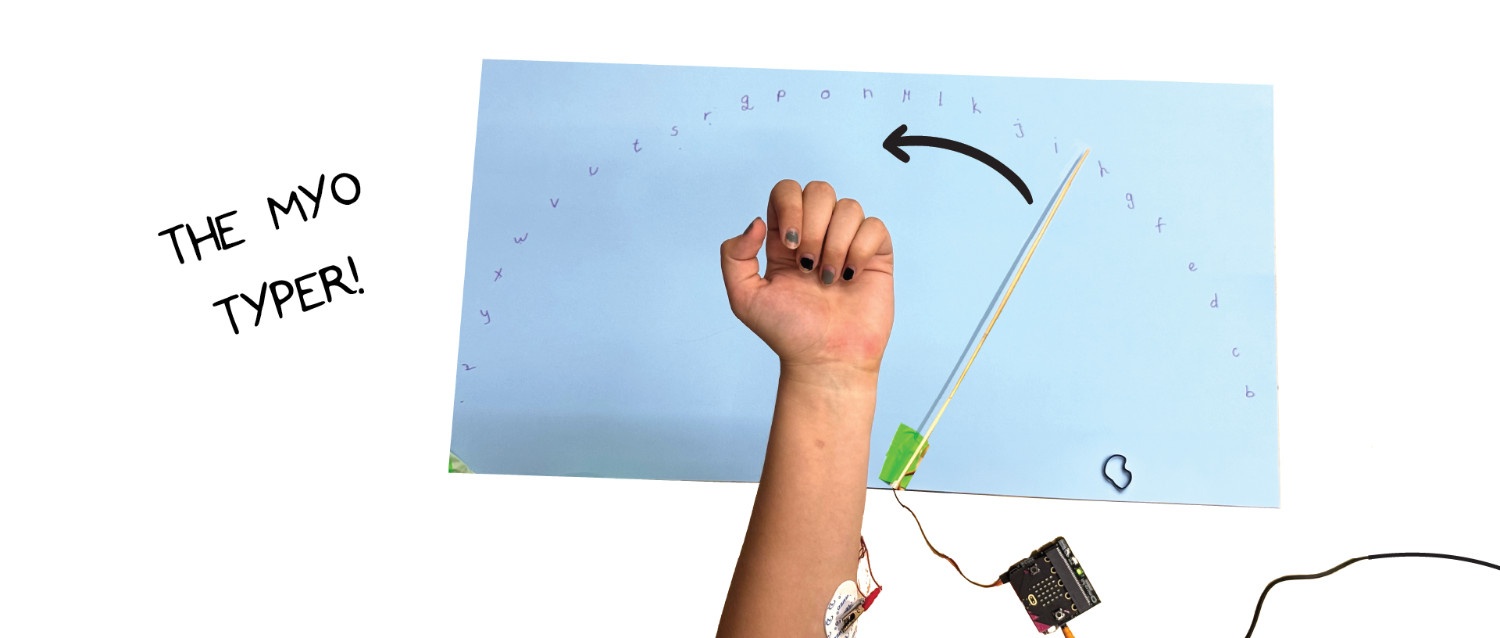
Use EMG pulses as an accessible text-entry switch, then explore how timing, false positives, and signal fatigue shape real assistive-device design.
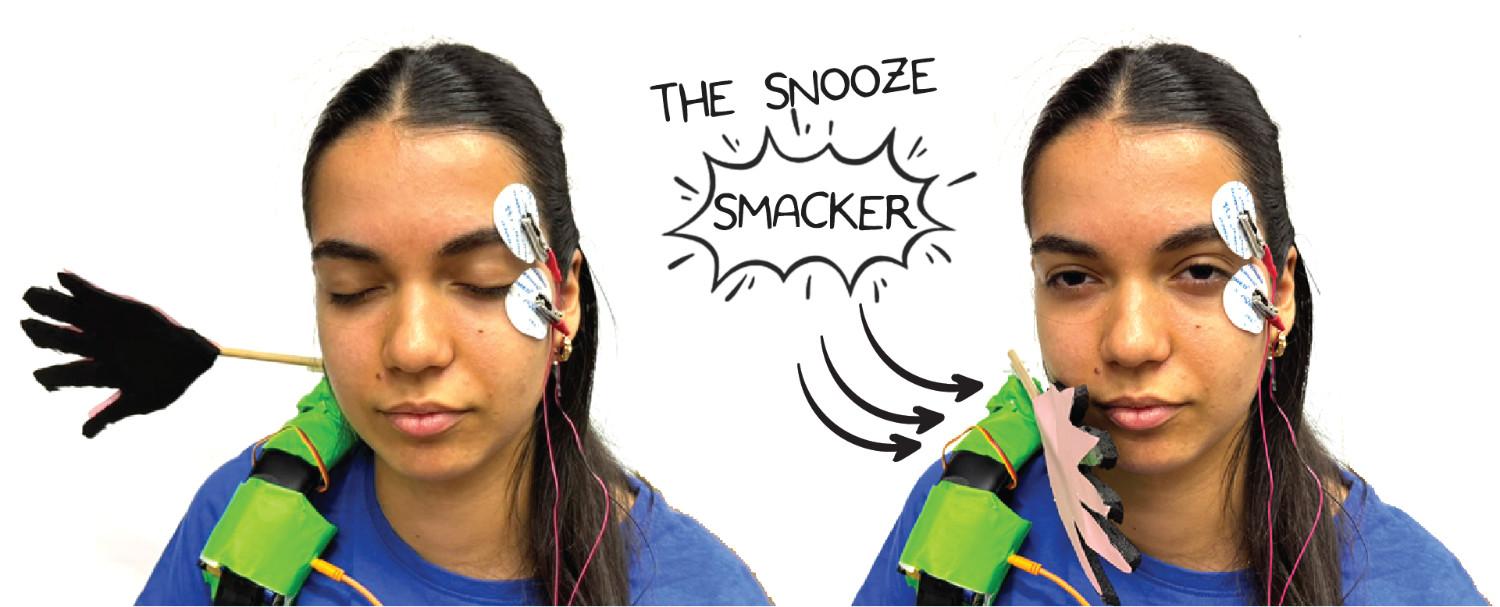
Use eye-closure signals to trigger a servo response, then tune the delay so students can reason about EOG thresholds, attention, and signal noise.
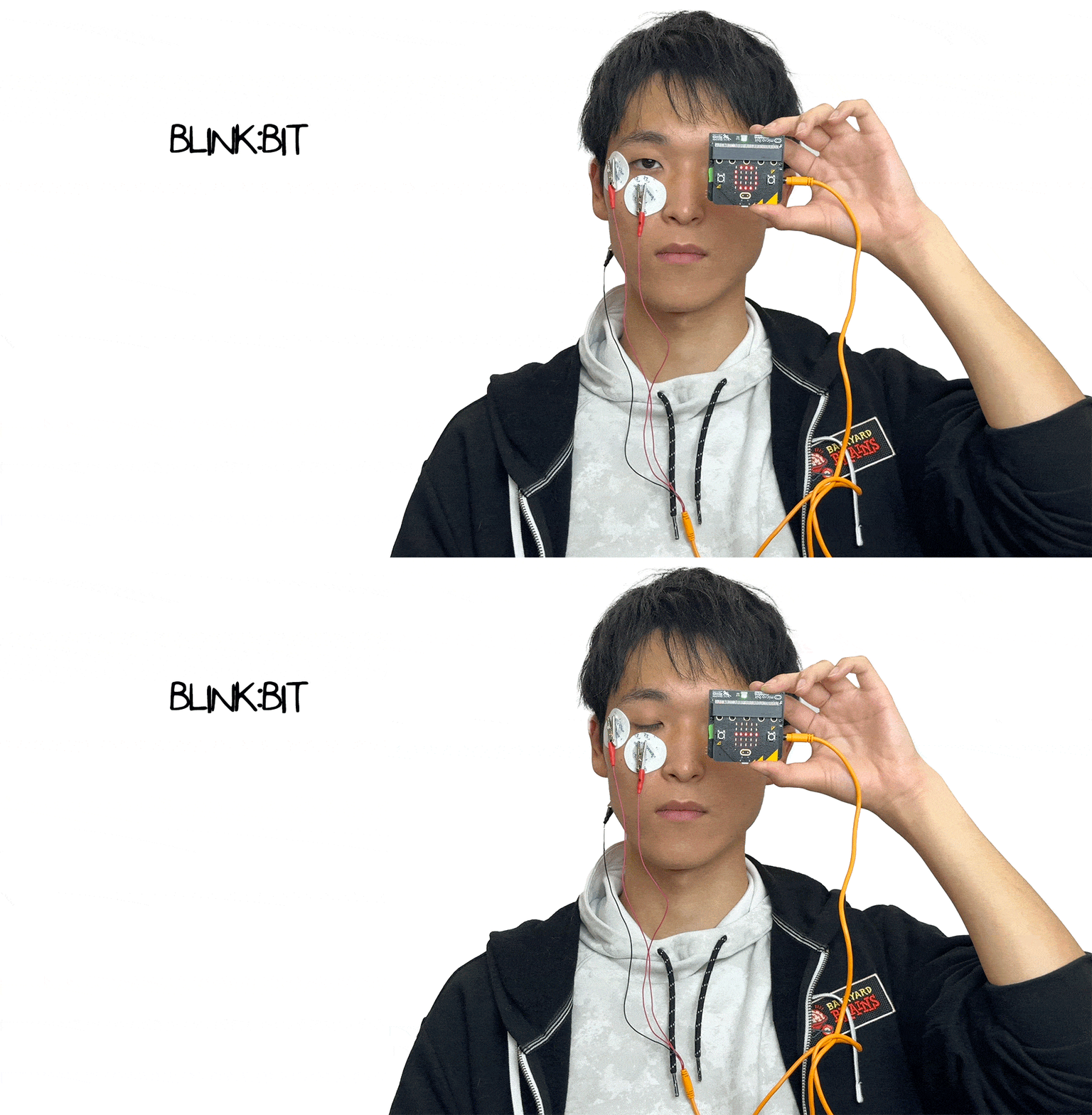
Convert eye blinks and eye movements into micro:bit inputs, opening projects around communication, switching, and the difference between EMG and EOG signals.
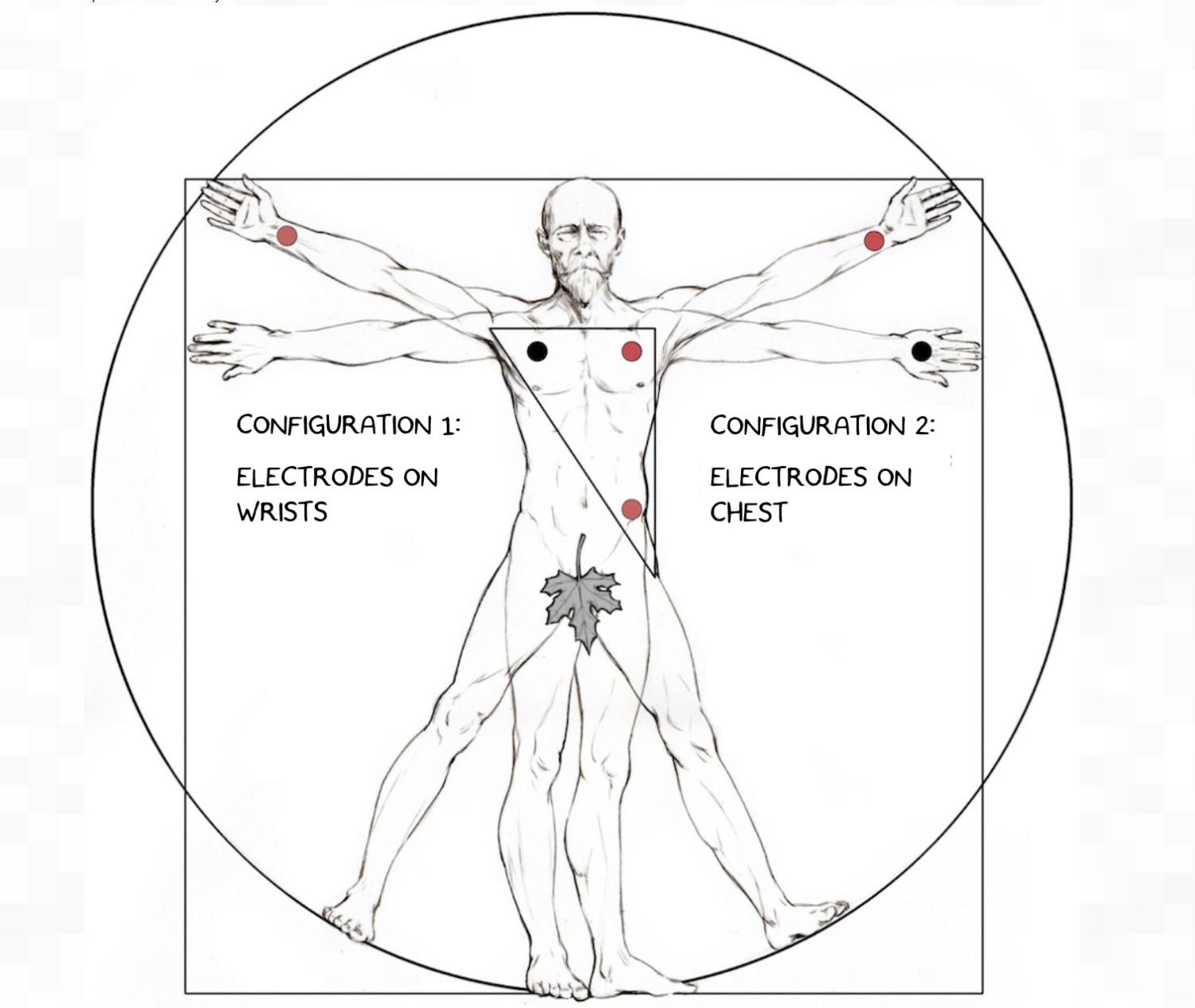
Place electrodes in a simple Einthoven triangle, switch Spiker:bit into heart recording, and graph rhythmic heartbeat spikes in MakeCode before turning them into micro:bit inputs.
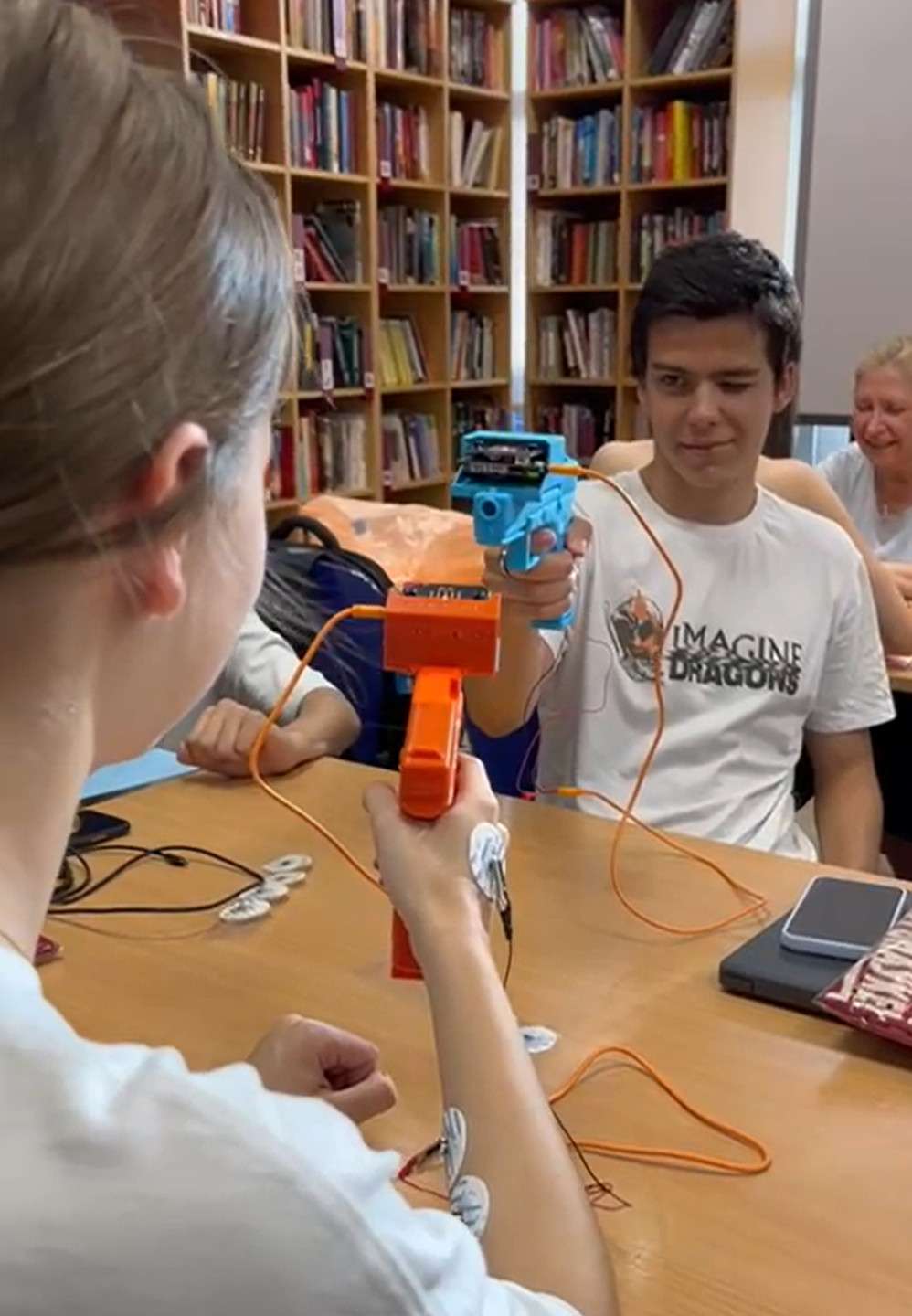
Build a two-player reaction game where muscle activation, timing windows, and micro:bit logic decide who fired first after the signal.
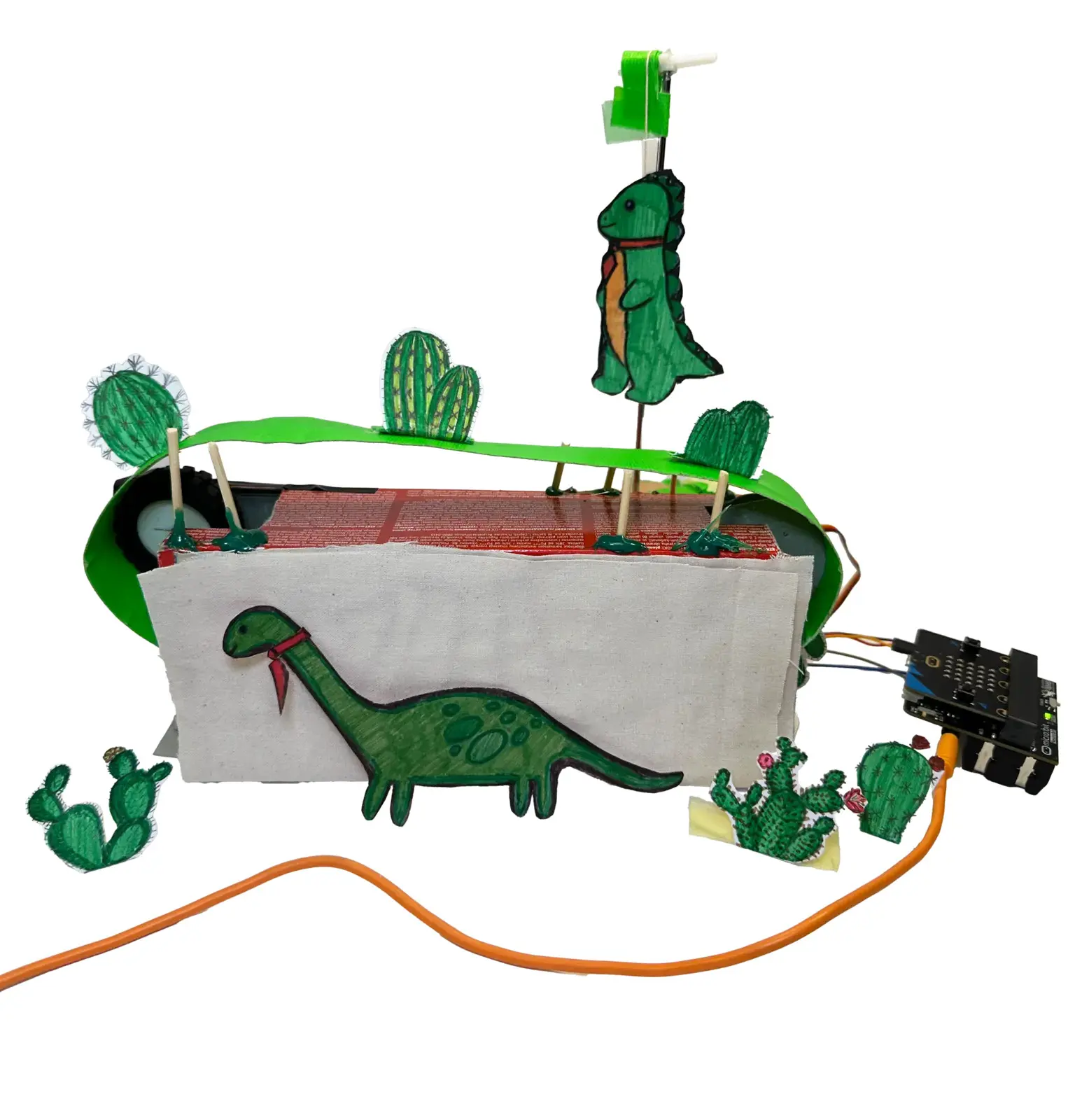
Make a browser game jump from an EMG flex by turning muscle threshold crossings into a physical button press students can see, adjust, and test.


Try these products to boost your brain power even further!
Showing article 1 of 5


