
 EMG
EMG
Muscle control
Use forearm or jaw muscle activity to control motors, games, keyboards, and superhero-style builds. This is the main path for Arduino EMG and Spiker:bit projects.
Arduino EMG archiveMicrocontroller neuroscience
If you are searching for Arduino EEG, Arduino EMG, EKG/ECG, or micro:bit neuroscience projects, start here. Backyard Brains body-signal builds turn real muscle, heart, brain, and blink activity into microcontroller inputs for classroom experiments.
Signal map
Older BYB experiments use Arduino language. Newer classroom builds usually use Spiker:bit and BBC micro:bit. The signal names should stay honest: EMG is muscle, EEG is brain rhythms, EKG/ECG is heart timing, and eye-blink projects use activity near the temples.
EMG
Use forearm or jaw muscle activity to control motors, games, keyboards, and superhero-style builds. This is the main path for Arduino EMG and Spiker:bit projects.
Arduino EMG archive
EEG
Record brain activity and alpha rhythms in advanced EEG experiments. Use this path for visitors searching Arduino EEG or EEG microcontroller neuroscience.
View EEG experiment
EKG
Use ECG/EKG heart signals to teach thresholds, timing, intervals, and biological signal display with microcontroller tools.
Read Spiker:bit blocks
EOG
Use eye-blink activity near the temples as a simple threshold signal for interaction and control projects.
Read Spiker:bit docsProject list
These projects are not forced into broad categories. The labels describe the biological signal where it is clear: EMG for muscle, EKG/ECG for heart timing, EOG for blink control, and EEG only when the build is actually about brain rhythms.
 EMG
Prosthetics
EMG
Prosthetics
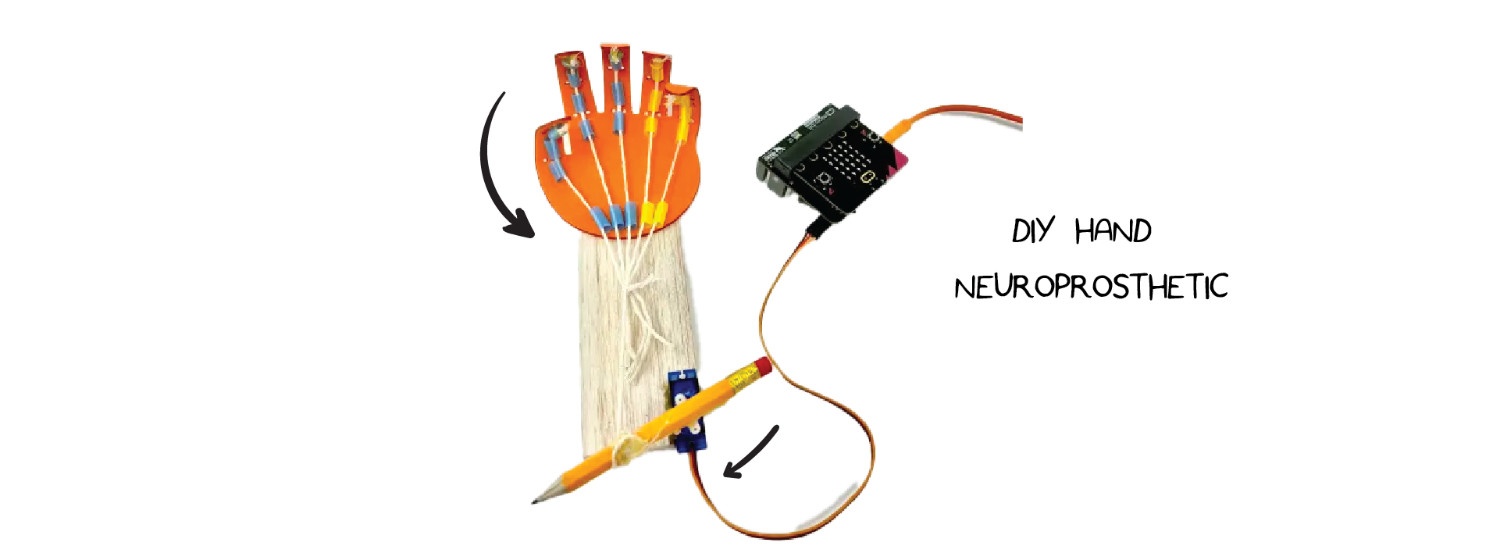
Build a working bionic hand and control it with forearm muscle contractions.
 EMG
Servo
EMG
Servo
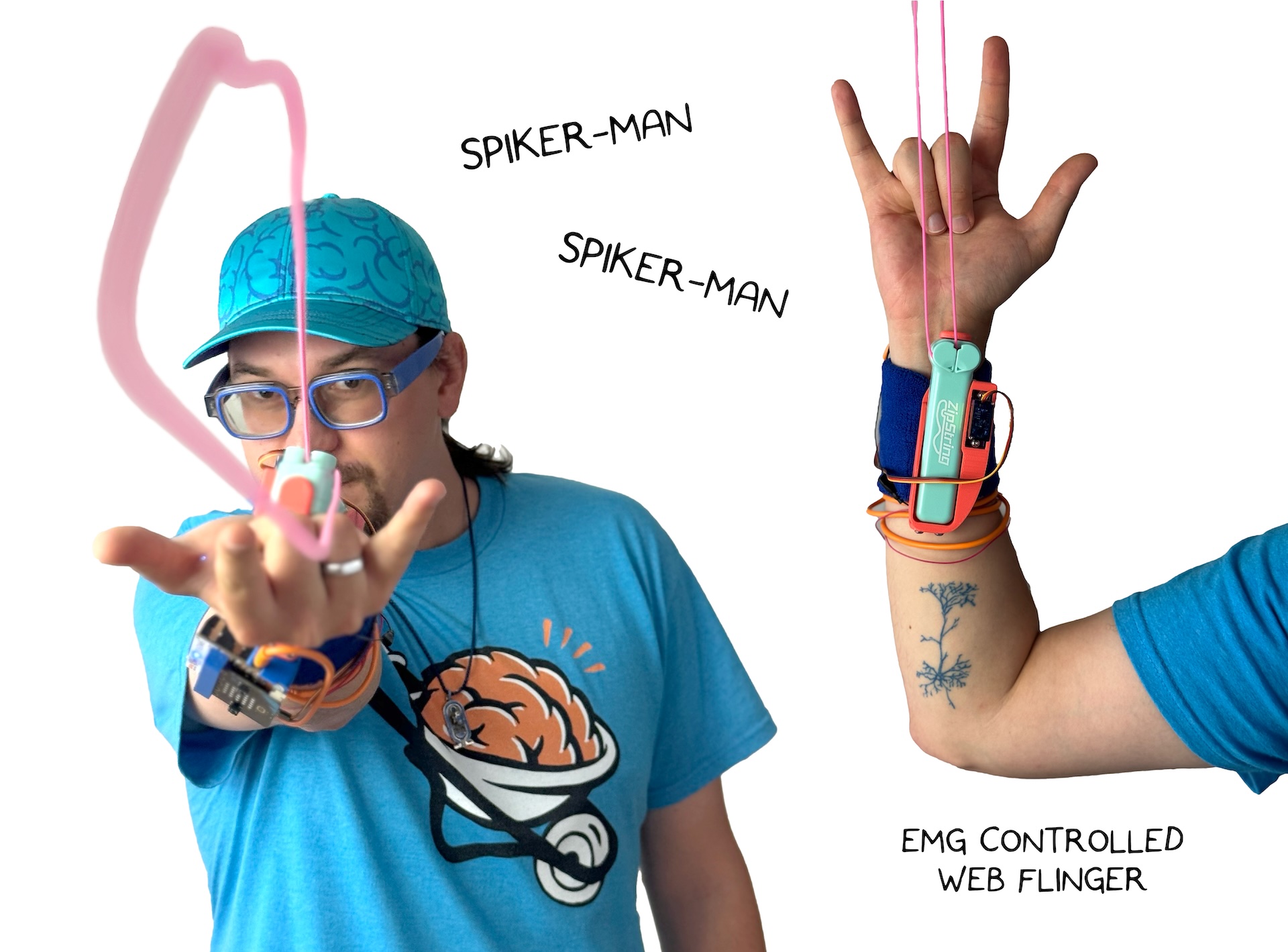
Use a muscle flex to trigger a wrist-mounted servo launcher.
 EMG
Maze
EMG
Maze
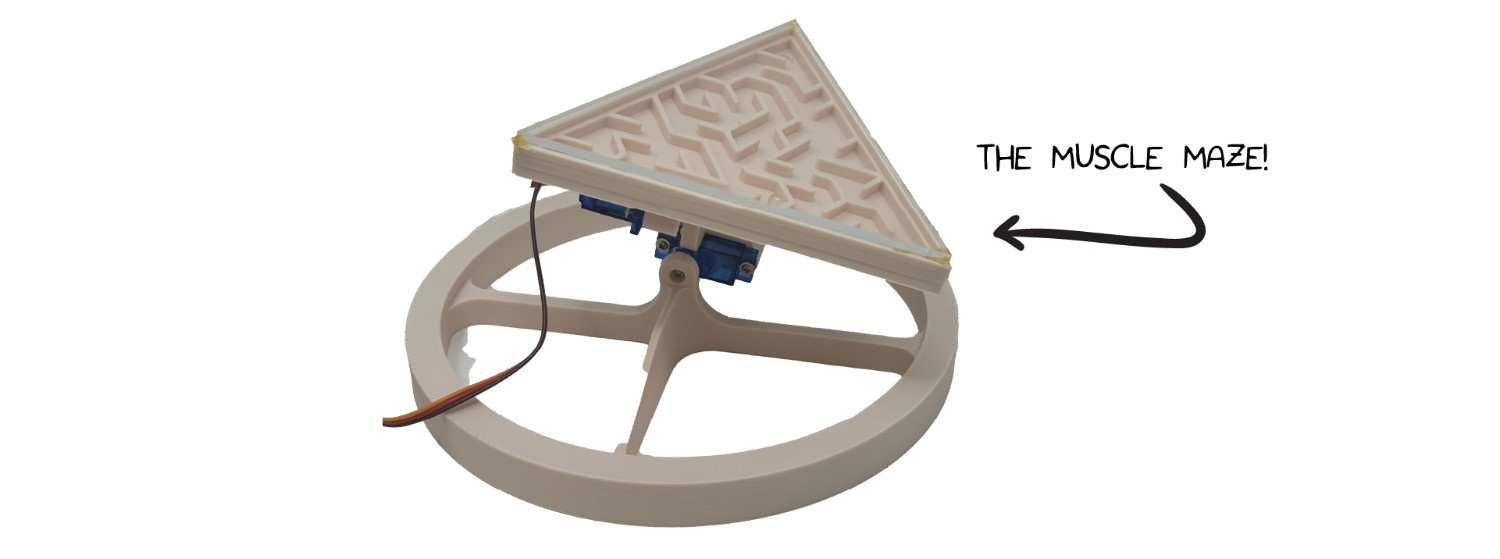
Read left and right muscle signals and turn them into directional controls.
 EMG
Typing
EMG
Typing
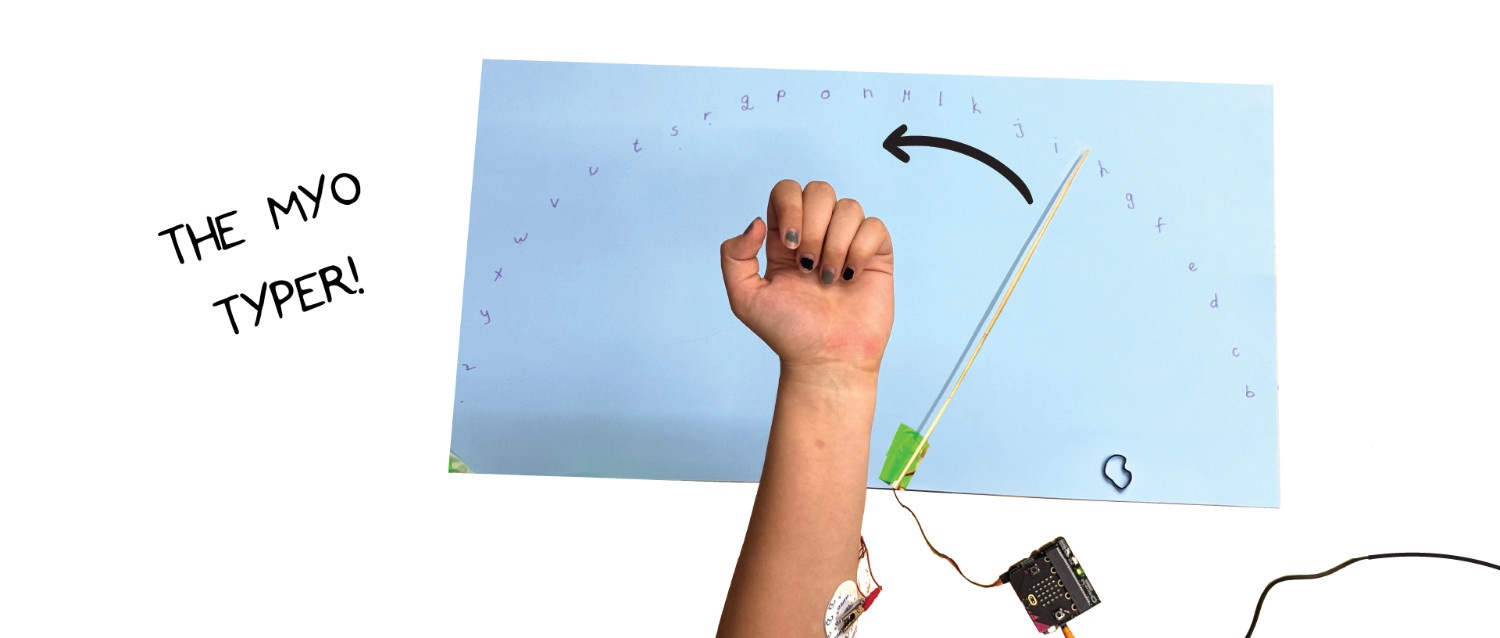
Flex your forearm to cycle letters, choose characters, and type with muscle signals.
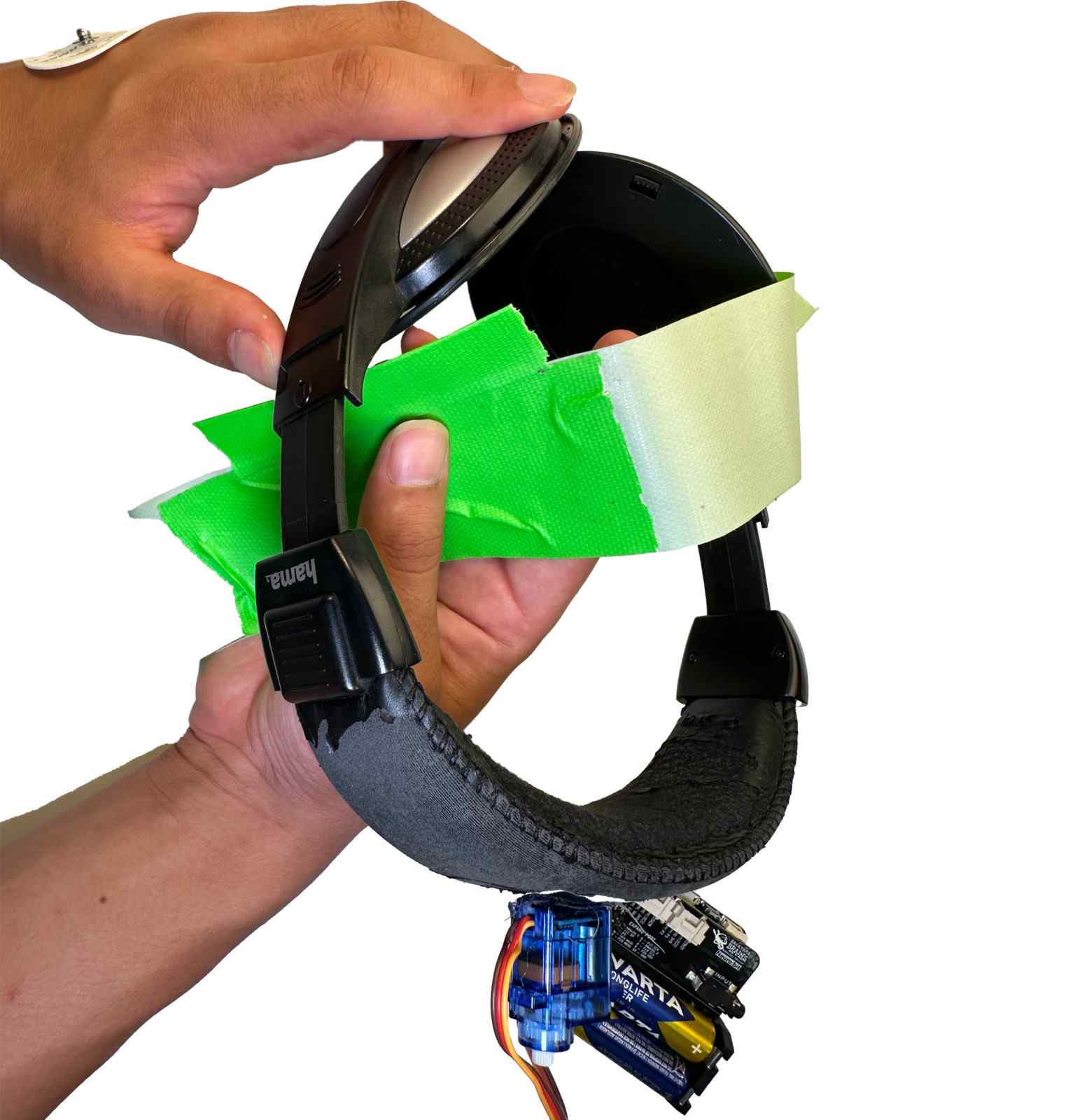 EMG
Servo
EMG
Servo
Build a wearable alarm-smacking servo that makes a muscle flex part of the wake-up routine.
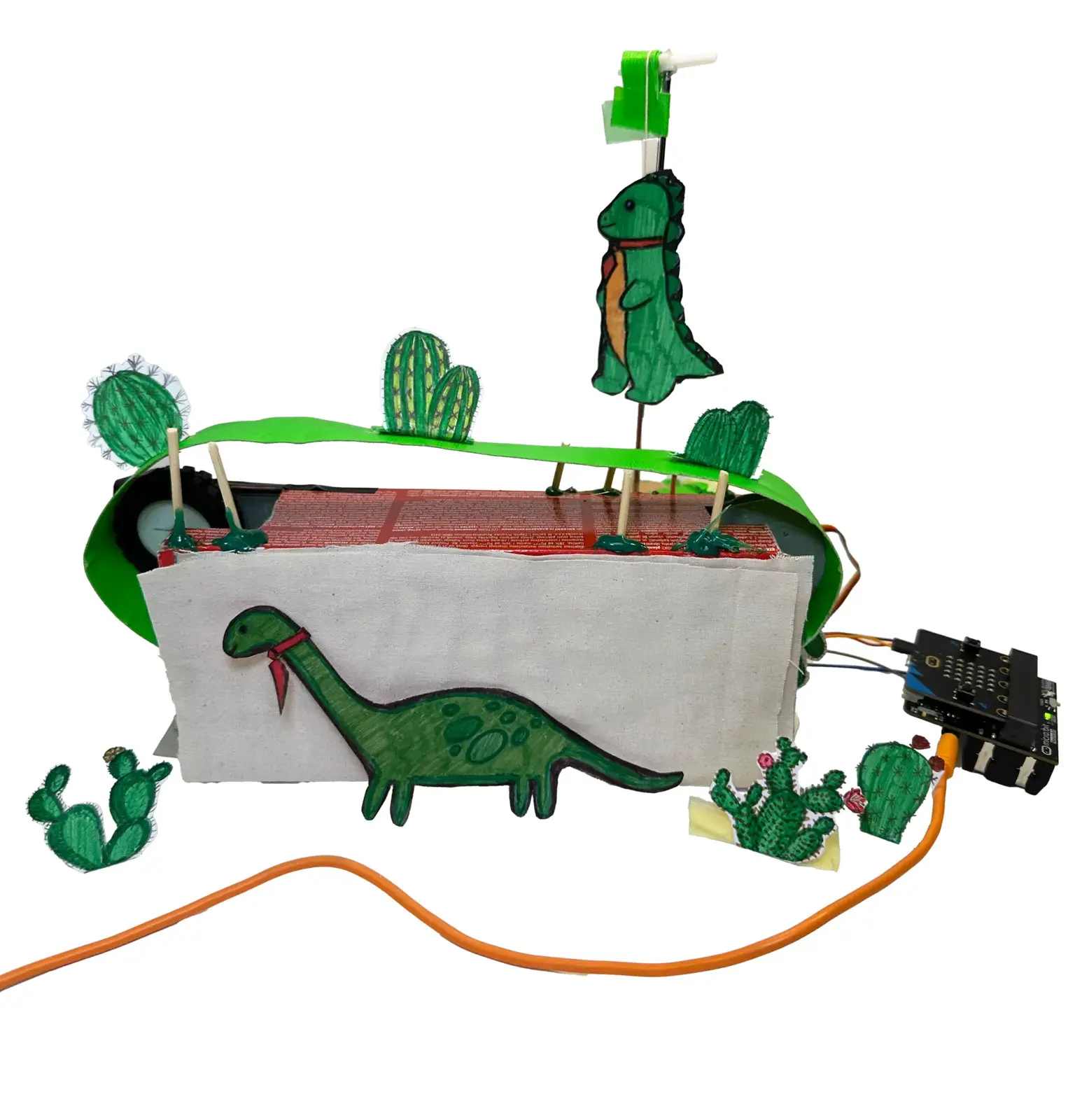 EMG
Game
EMG
Game
Build a physical helper that presses the spacebar when you flex.
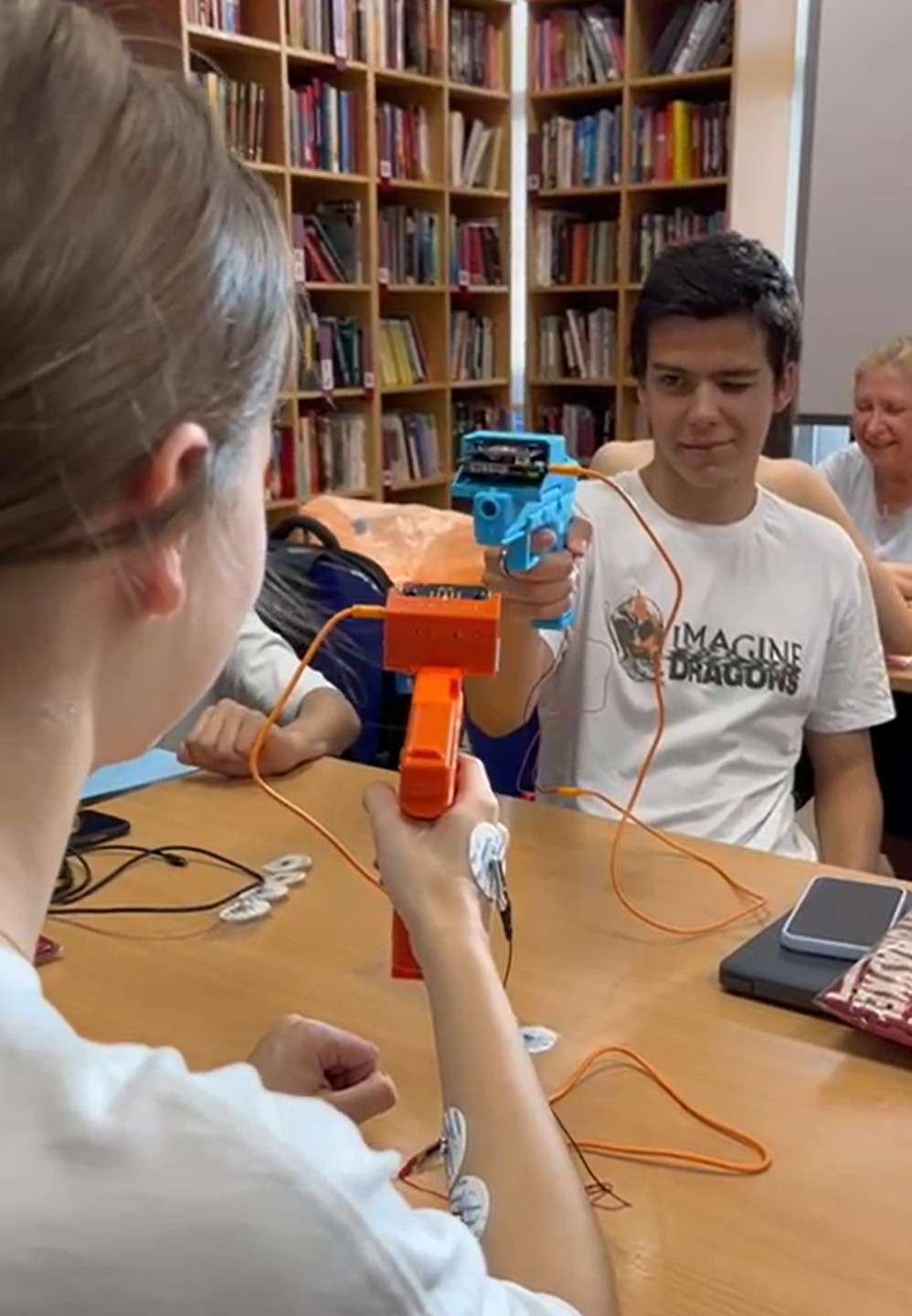 EMG
Reaction
EMG
Reaction
A two-player reaction build: wait for the cue, flex, and fire first.
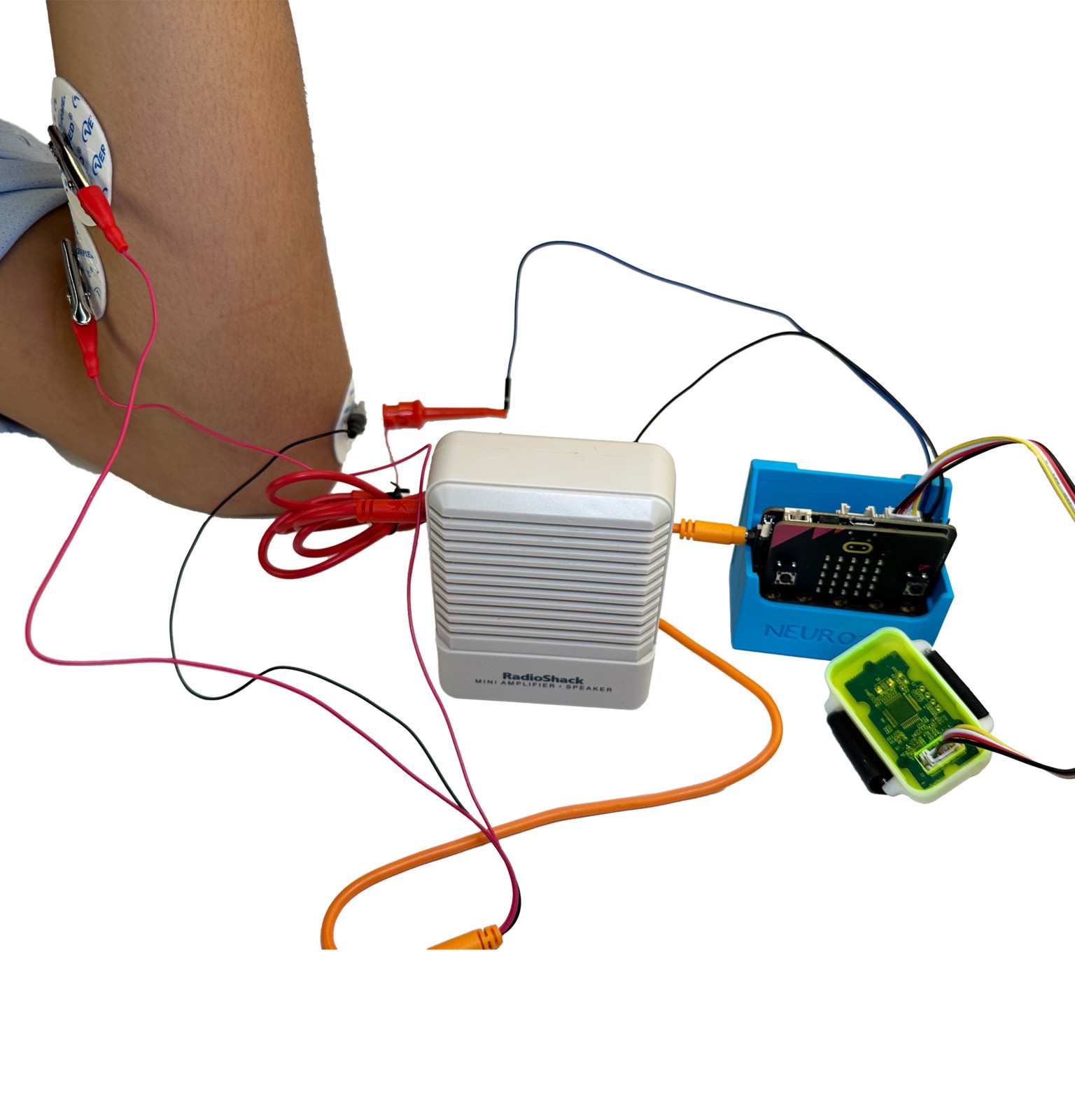 EKG
Pulse
EKG
Pulse
Read heartbeats, monitor intervals, and write code that reacts to pulse.
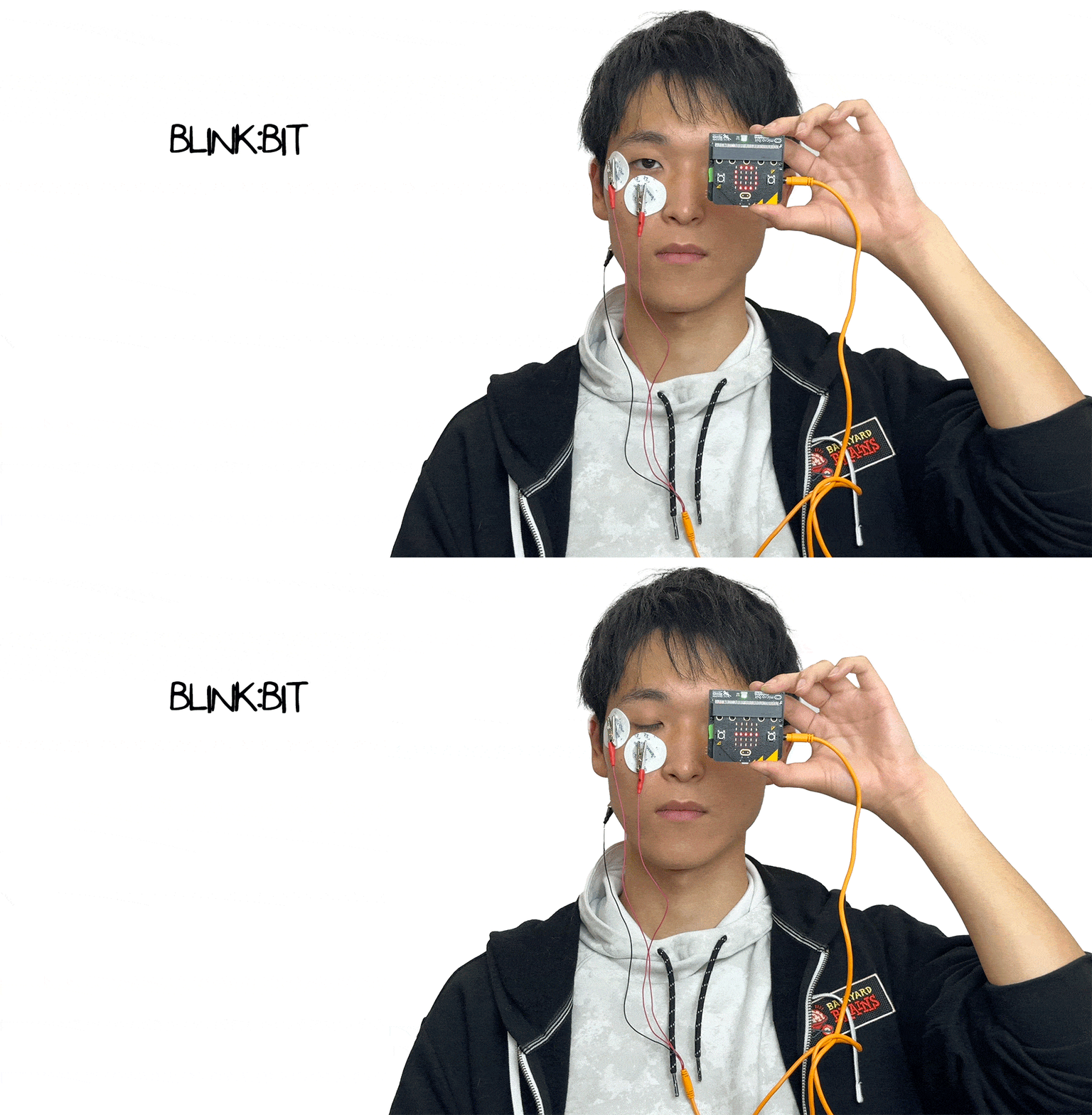 EOG
Blink
EOG
Blink
Use eye-blink activity near the temples as a threshold input.
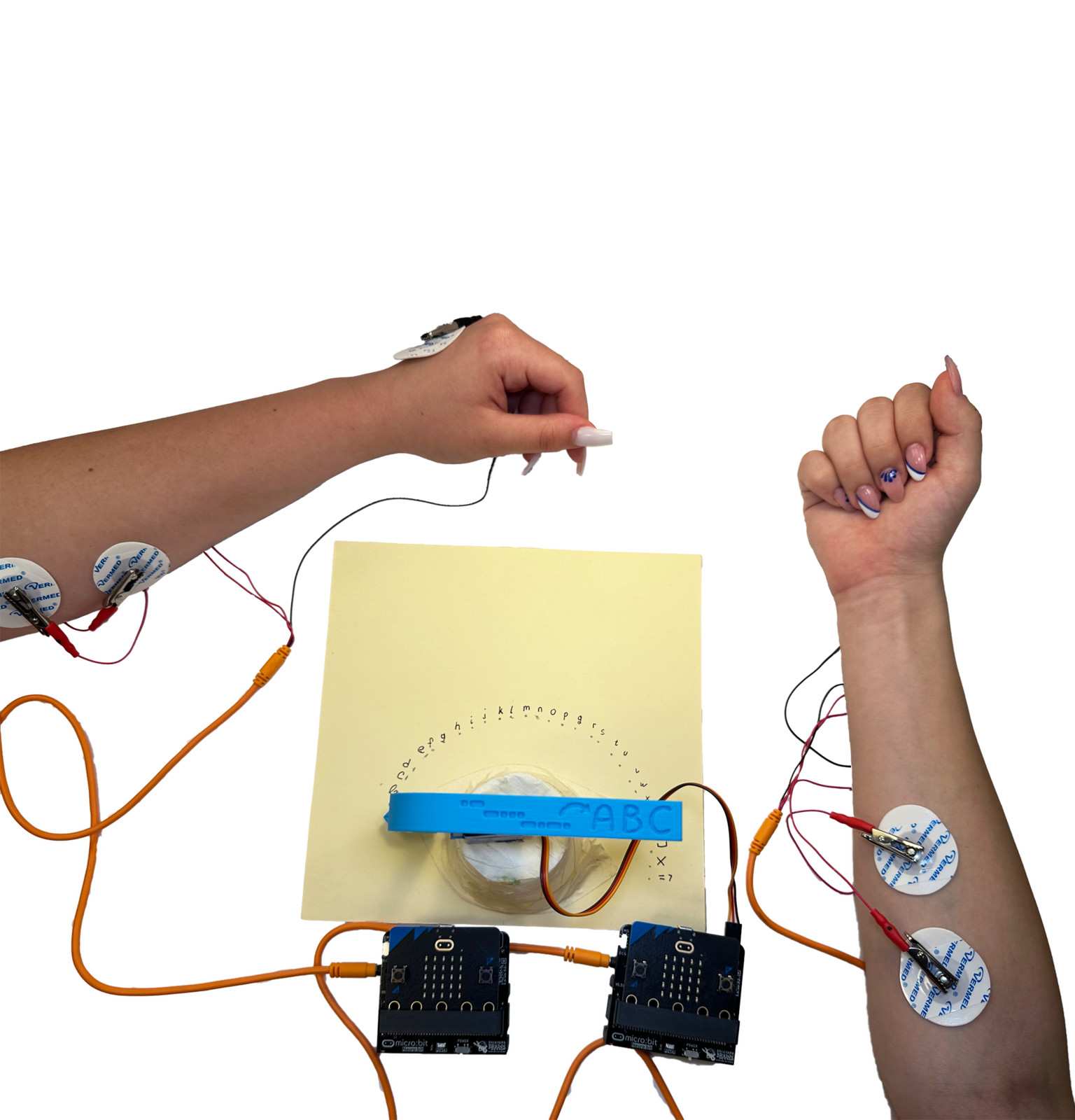 EMG
Morse
EMG
Morse
Translate muscle gestures into Morse code, tones, or simple messages.
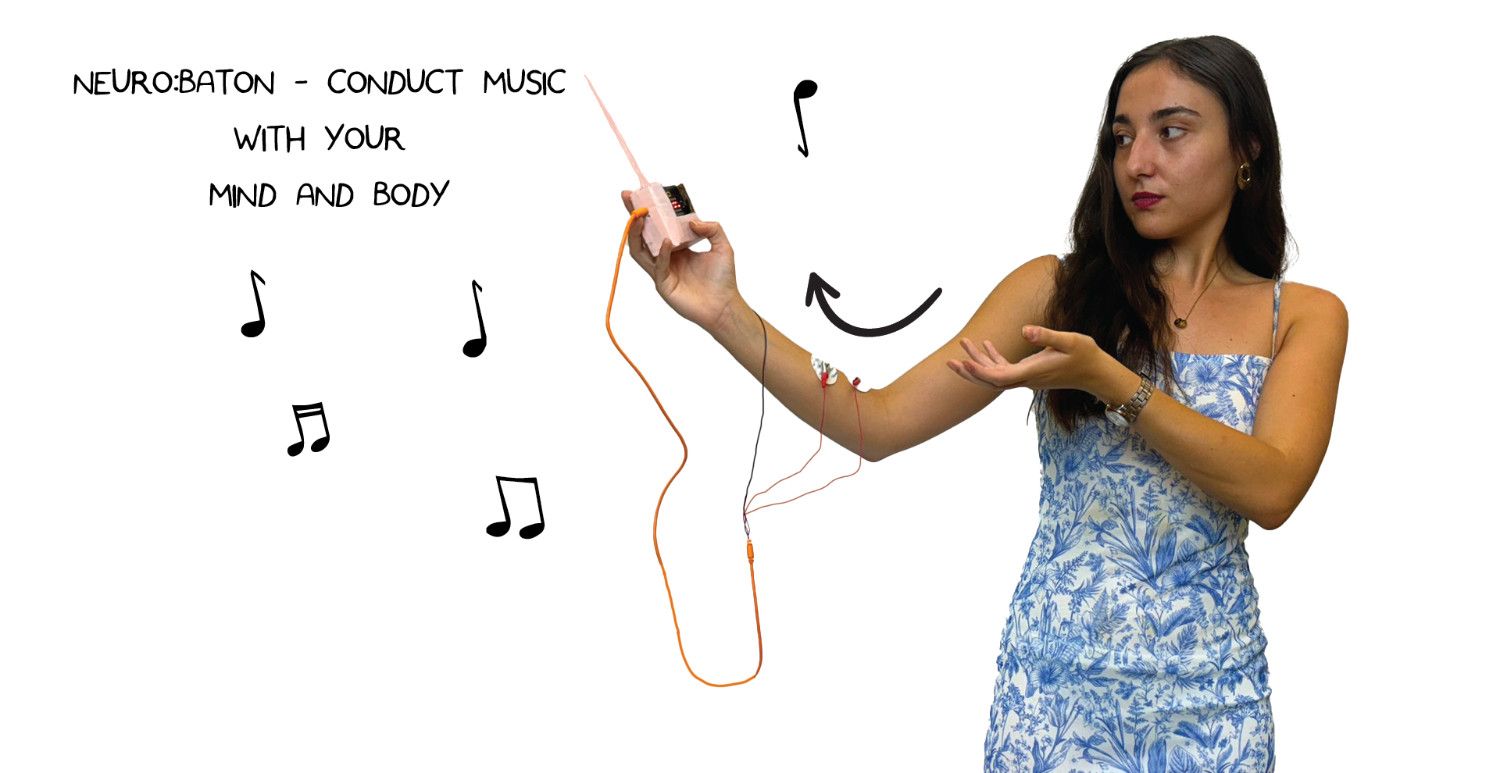 EMG
Music
EMG
Music
Conduct a digital orchestra using forearm signal strength.
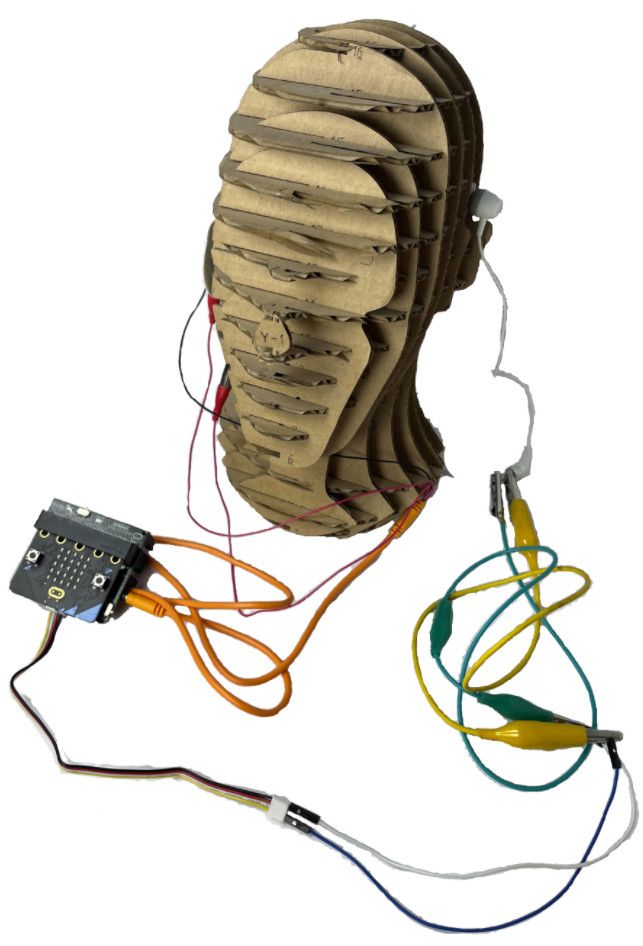 Jaw EMG
Audio
Jaw EMG
Audio
Use a jaw-clench signal as a digital threshold for audio samples.
What you need
Core board
The core board for turning biological signals into micro:bit inputs.
Robotics build
A ready-made motorized build for EMG control and neuroprosthetics demos.
Classroom set
Scale the activity for labs, workshops, or classroom teams.
Arduino EEG and Arduino EMG
The older Arduino EEG and Arduino EMG experiments are still useful for advanced builders and archive readers. For most new classrooms, Spiker:bit is the cleaner path: it lets students record real EMG muscle signals, explore ECG/EKG and EEG concepts, and use body signals as micro:bit inputs without starting from raw amplifier design.
FAQ
No. Backyard Brains has older Arduino EEG and Arduino EMG experiments, but the current classroom-friendly microcontroller path is usually Spiker:bit with BBC micro:bit. This page helps visitors find the right EEG, EMG, EKG/ECG, or blink-control path without mixing them into fake categories.
Most starter builds use EMG muscle signals. Spiker:bit documentation also discusses ECG/EKG heart signals and EEG brain signals, while Blink:Bit-style builds use eye activity near the temples.
No. These are human physiology and body-control projects. They use muscle, heart, eye, jaw, and gesture signals to control microcontrollers.